
What Is Sleep Paralysis? Causes and How to Stop It
Waking up unable to move, sensing something in the room? Here’s what sleep paralysis is, why it happens, how to get through an episode and how to prevent it.
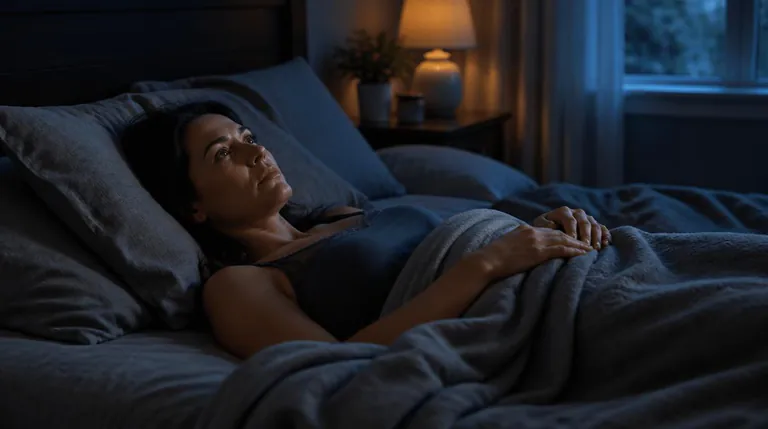
Waking up unable to move, sensing something in the room? Here’s what sleep paralysis is, why it happens, how to get through an episode and how to prevent it.
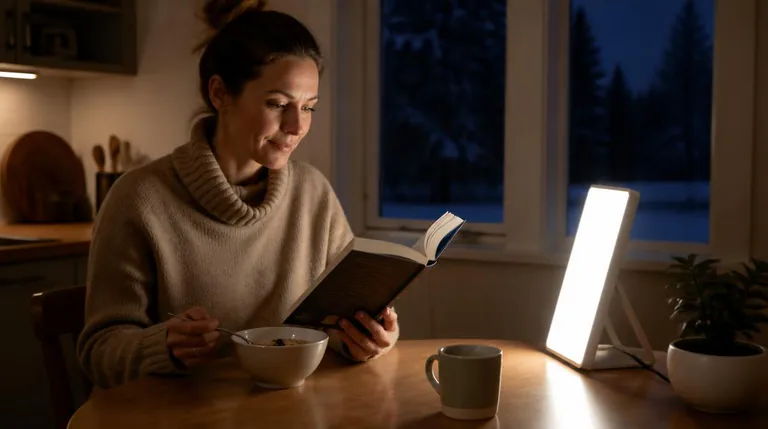
How a SAD lamp works, what the research says, how to use one in the morning without hurting your sleep, what to look for, and top light box picks for winter.

Sunrise alarm clocks wake you with slowly brightening light instead of a jarring noise. Here’s what the research says, who they help most, what to look for, and top picks based on specs and reviews.

Working from home strips away the cues that keep your body clock on time. Here’s a gradual, step-by-step plan to fix your sleep schedule and make it stick.

Thickness, density, firmness and heat: what actually matters when you choose a memory foam mattress topper, who it helps, and picks based on specs and reviews.

How home sleep apnea tests work, who they’re right for, how to read your AHI, and why a negative result isn’t always the final word.

REM sleep is the dreaming stage of your night, when your brain runs near waking speed and your body goes still. Here’s what it does, how much you need, and how to protect it.

Most snoring comes down to a few fixable things. Here are 11 practical ways to stop snoring, starting with the free ones, plus the warning signs that mean you should see a doctor.

Magnesium for sleep isn’t magic, but it may help some people fall asleep a little faster. Here’s what the research shows, which type to pick, how much is safe, and who should skip it.

The ideal nap for most adults is 10 to 20 minutes in the early afternoon. Here’s what the research says about nap length, timing and grogginess, plus a simple nap plan for people who work from home.