

Should You Work From Bed? What It Does to Your Sleep
I’ll be upfront: I’ve done it. Laptop balanced on a pillow, duvet pulled up, coffee going cold on the nightstand, telling myself it was “just for an hour.” On my days off between rotating shifts, catching up on emails and paperwork from bed felt like the one luxury I’d earned. It wasn’t. It was quietly teaching my brain that bed was a place to think, worry and get things done, and I was already short on sleep without giving it more reasons to stay awake.
If you work from home, the bed is right there. It’s warm, it’s comfortable, and on a grey November morning it’s a lot more appealing than a hard chair in the corner. So should you work from bed? The short answer is: not if you can help it, and especially not if you already struggle to fall asleep. The longer answer, with what the research says and what to do if you really have no other option, is below.
Why Working From Bed Is Bad for Your Sleep
The main problem isn’t the mattress or the laptop. It’s what your brain learns when you keep doing it.
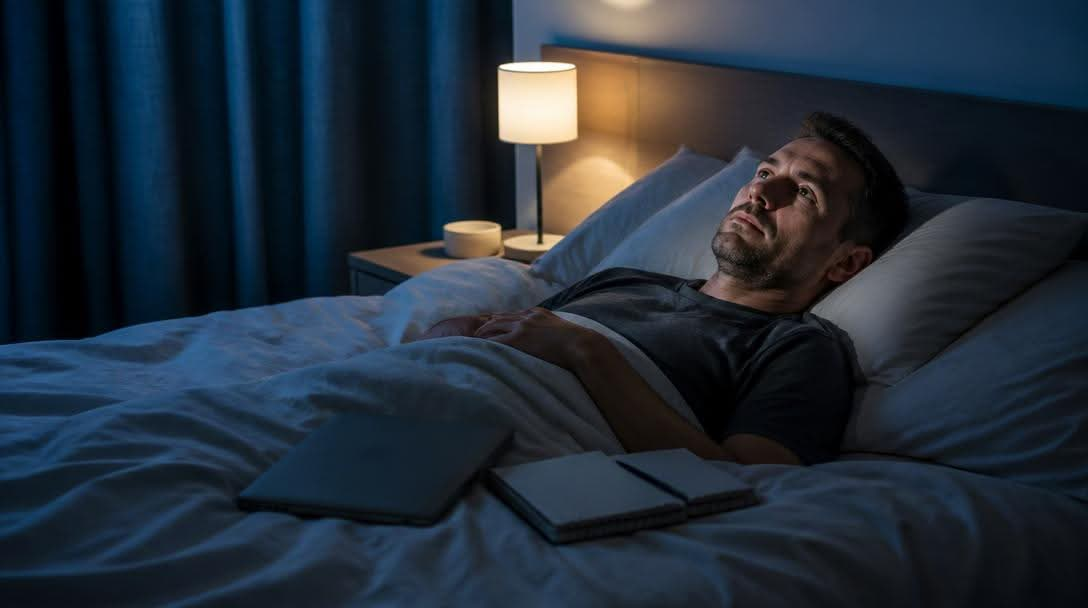
Your brain is an association machine. When you walk into a kitchen, you start thinking about food. When you sit at your desk, your mind shifts toward work. And when you lie down in bed, ideally, your body starts to wind down because bed has always meant sleep. Sleep specialists call this a conditioned response, and it’s one of the quiet reasons good sleepers fall asleep so easily: the bed itself acts as a cue.
Work from bed for weeks or months, and you blur that cue. Your bed starts to mean answering emails, reading reports, sitting on video calls and solving problems. Cleveland Clinic chiropractor Andrew Bang puts it plainly in their guide to working from bed: “your brain can start to associate your bed with work”, and that can disrupt your sleep schedule and make you less productive at the same time.
Your bed stops being a sleep cue
This isn’t just a theory dreamed up by people selling desks. It’s the idea behind one of the best-tested insomnia treatments we have. Stimulus control is a core part of cognitive behavioral therapy for insomnia (CBT-I), and its whole purpose is to rebuild the link between bed and sleep. According to the Sleep Foundation’s guide to CBT-I, stimulus control asks people to:
- Use the bed only for sleep and sex
- Get out of bed when they can’t fall asleep, or when they’ve been lying awake for more than about 10 minutes
- Go back to bed only once they feel drowsy again
- Set an alarm for the same time every morning
- Avoid daytime naps
Notice what’s on that list: the bed is for sleep. Not for work, not for scrolling, not for “just checking one thing.” Multicomponent CBT-I helps as many as 70% to 80% of people with primary insomnia, per the same Sleep Foundation page, and the American Academy of Sleep Medicine’s clinical practice guideline gives CBT-I a strong recommendation for chronic insomnia, with stimulus control also suggested as a standalone therapy. When the treatment for insomnia literally starts with “stop doing things in bed that aren’t sleep,” that tells you something about the habit.
Work stress follows you under the covers
There’s also the plain psychological side. If the last thing you did in bed at 4:45 p.m. was read a frustrating email from your boss, part of your brain will remember that when you lie down at 10:45 p.m. The Sleep Foundation’s advice on sleeping well while working remotely notes that working in the bedroom can make it harder to mentally disconnect at night, and it recommends clear boundaries between work and home life.
When I worked rotating shifts, my worst nights were the ones where I’d been going over rotas, training notes or the next week’s schedule in bed earlier that day. Lying down felt like clocking back in. I didn’t have a word for it then, but that’s conditioned arousal in action: the place you’re supposed to relax in has become a place where you think.
Screens, light and an endless workday
Working from bed usually means working on a laptop, tablet or phone, often later in the day than you would at a desk. The Sleep Foundation points out that electronic devices with backlit screens give off blue light that can interfere with sleep, and it suggests stopping work at least an hour before bed. Cleveland Clinic makes the same point: late-night work from bed can make it harder to fall asleep because of screen light.
The bigger issue for most remote workers, though, isn’t the light itself. It’s that the workday never has a clear finish line. If you’re already in bed, there’s no commute home, no closing the office door, no physical sign that work is over. One more email turns into thirty minutes, and suddenly you’re trying to sleep in the same spot where you were working twenty minutes ago.
What Working From Bed Does to Your Body
Sleep isn’t the only thing that takes a hit. Beds are designed for lying down, not for sitting upright and typing for hours, and your neck and back notice.
Most people working from bed end up in one of two positions: propped up against the headboard with a laptop on their thighs, or lying on their stomach with their head craned up toward the screen. Both put your neck in a bent position for long stretches. Cleveland Clinic’s Dr. Bang specifically warns against leaning against the headboard or wall, because it can strain your hip flexors and lower back, and he notes that twisting to see a screen or reach a laptop can cause aches.
How much does a bent neck matter? A widely reported 2014 modelling study by spine surgeon Kenneth Hansraj, published in Surgical Technology International, estimated that tilting your head forward about 15 degrees puts roughly 27 pounds of force on the cervical spine, and a 60-degree tilt puts about 60 pounds on it, according to NPR’s coverage of the study. That was a model, not a study of people working in bed, but it explains why staring down at a laptop on your lap for a whole afternoon leaves your neck stiff.
Daytime aches can also make it harder to get comfortable at night. If you’re waking up stiff, it’s also worth checking your pillow setup; my guide to pillows for side sleepers covers what keeps your neck in line overnight.
Is It Ever OK to Work From Bed?
I’m not going to pretend everyone has a home office. Plenty of people live in studio apartments, share a flat with roommates, or have a partner already using the kitchen table for their own calls. Sometimes you’re sick and the choice is working from bed or not working at all. Life happens.
Here’s how I’d think about it:
- If you sleep well and work from bed occasionally, an odd morning with a laptop under the duvet probably isn’t going to wreck your sleep. The risk builds with repetition.
- If you have trouble falling asleep or staying asleep, keep work out of your bed completely. You’re exactly the person stimulus control was designed for, and you need that bed-equals-sleep link as strong as possible.
- If you work from bed most days, it’s worth finding almost any alternative, even a folding table and a kitchen chair in the corner of the bedroom. Getting off the mattress matters more than having a nice setup.
How to Stop Working From Bed (Even in a Small Space)
You don’t need a dedicated office to give your bed back to sleep. You need a different spot, and a routine that tells your brain when work starts and stops.

Find any spot that isn’t your mattress
A kitchen table, a small desk in the corner, a breakfast bar, even a sturdy shelf at standing height. The Sleep Foundation suggests that if you have to work in your bedroom, you avoid the bed itself and consider a standing desk or using furniture to separate a work zone from a sleep zone. A bookcase, a curtain or a room divider can do a surprising amount of psychological work.
If the bedroom is your only option, sit facing away from the bed. That way the bed doesn’t become part of your “work view.”
Build a start and end to the day
Without a commute, you have to invent your own bookends. The Sleep Foundation recommends routines that signal the start and end of the workday, like changing clothes or putting work materials away, setting clear working hours, and not checking email after hours. A few that work well:
- Get dressed for work, even if it’s just swapping pyjamas for a sweater and jeans. Then you’re not working in the clothes you sleep in.
- Close the laptop and put it away at the end of the day, ideally out of the bedroom. Out of sight helps a lot.
- Take a “fake commute”: a 10-minute walk outside before you start and after you finish. You also get morning daylight, which helps anchor your body clock.
- Keep the same wake-up time every day, weekends included. If your schedule has drifted, my post on how to fix your sleep schedule when you work from home walks through a gradual reset.
Take your breaks somewhere else too
It’s tempting to flop on the bed for a quick break or a nap after lunch. If you sleep well, a short nap can be fine; if you struggle with insomnia, stimulus control discourages daytime napping altogether. Either way, it’s better to rest on the sofa or take a walk than to slide back under the covers mid-afternoon. If you do nap, keep it short and early; here’s my guide to how long a nap should be so you don’t sabotage the night.
Rebuild the bed-sleep link
If you’ve been working from bed for months and your sleep has gone downhill, stopping the habit is step one. Step two is borrowing the stimulus control rules from CBT-I:
- Only go to bed when you’re actually sleepy, not just because it’s “bedtime.”
- If you’re lying awake and getting frustrated, get up and do something calm in dim light in another room, then come back when you’re drowsy.
- No laptop, no work phone, no emails in bed. Not even “just to check.”
- Get up at the same time every morning, however the night went.
The first week can feel worse before it feels better, because you’re retraining a habit. Stick with it. If you want more drug-free strategies alongside this, my roundup of natural insomnia remedies is a good next read.
If You Really Have to Work From Bed: Damage Control
Some days there’s no way around it. When that happens, these habits limit the harm to your sleep and your spine. The posture advice comes from Cleveland Clinic’s guide; the sleep advice comes from the Sleep Foundation and CBT-I principles.
| Habit | Why it matters | What to do instead |
|---|---|---|
| Working late at night | Screen light and work stress right before sleep | Stop at least an hour before bed |
| Leaning on the headboard | Strains hip flexors and lower back | Lie on your back and hold a tablet above you |
| Stacking pillows | Keeps your neck bent forward | Skip pillows, or use one small one under the neck |
| Staying put for hours | Stiffness and aches build up | Stand and stretch every 45–60 minutes |
| Working under the covers | Makes bed feel even more like the office | Sit on top of a made bed, dressed for work |
| Leaving the laptop in bed | Keeps work in sight at bedtime | Pack it away, ideally outside the bedroom |
Cleveland Clinic’s Dr. Bang is blunt that he’d avoid working from bed “at all costs.” If you must, keep your spine as neutral as possible, swap sides now and then, and when you’re done, straighten the bed and keep the laptop out of it for the night.
When Poor Sleep Is More Than a Habit Problem
Moving your laptop off the bed is a great start, but it won’t fix everything. If you’ve stopped working from bed and you still have trouble falling or staying asleep at least three nights a week for several months, that’s the territory of chronic insomnia, and it’s worth talking to your doctor or a sleep clinic. CBT-I delivered by a trained clinician is the first-line treatment recommended by the AASM, and it works better with proper guidance than with a list of rules from a blog.
See a doctor sooner if you snore loudly, someone has noticed you stop breathing or gasp at night, you feel very sleepy during the day despite enough time in bed, or your sleep problems come with low mood or anxiety that’s getting in the way of daily life. My overview of common sleep disorders covers the signs worth flagging.
If you’d like a simple way to keep track of the habits that actually move the needle, grab my Free Sleep Checklist. It covers the basics in one page, including keeping work out of the bedroom.
Frequently Asked Questions
Is it bad to work from bed?
For most people, yes, especially if it becomes a daily habit. It weakens your brain’s link between bed and sleep, which can make it harder to fall asleep, and it tends to put your neck and back in awkward positions for long stretches. Occasional bed work is less of a concern for people who already sleep well.
Can working from bed cause insomnia?
It isn’t proven to cause insomnia on its own, but it works against one of the key insomnia treatments. Stimulus control, part of CBT-I, asks people to use the bed only for sleep and sex because doing other things in bed can train the brain to stay alert there. If you already have trouble sleeping, keeping work out of bed is one of the easiest changes you can make.
What’s the best position if I have to work from bed?
Cleveland Clinic suggests lying on your back with a tablet held overhead and your elbows resting at your sides, skipping extra pillows so your neck isn’t bent forward, and avoiding leaning against the headboard. Switch positions often and get up to stretch every 45 to 60 minutes.
How long does it take to fix the bed-sleep association?
It varies from person to person. CBT-I programs typically run over several weeks, and the skills take practice. Many people notice their sleep feels worse for the first few nights after they start getting out of bed when they can’t sleep, before it improves. Stay consistent, and if things aren’t better after a few weeks, check in with your doctor.
The Bottom Line
Working from bed feels cosy in the moment, but over time it teaches your brain that bed is a place for work, worry and screens instead of sleep. Give your bed one job. Find any other spot to work, even a small table in the corner, build a clear start and end to your workday, and keep the laptop out of bed at night. Your sleep, and your neck, will thank you for it.