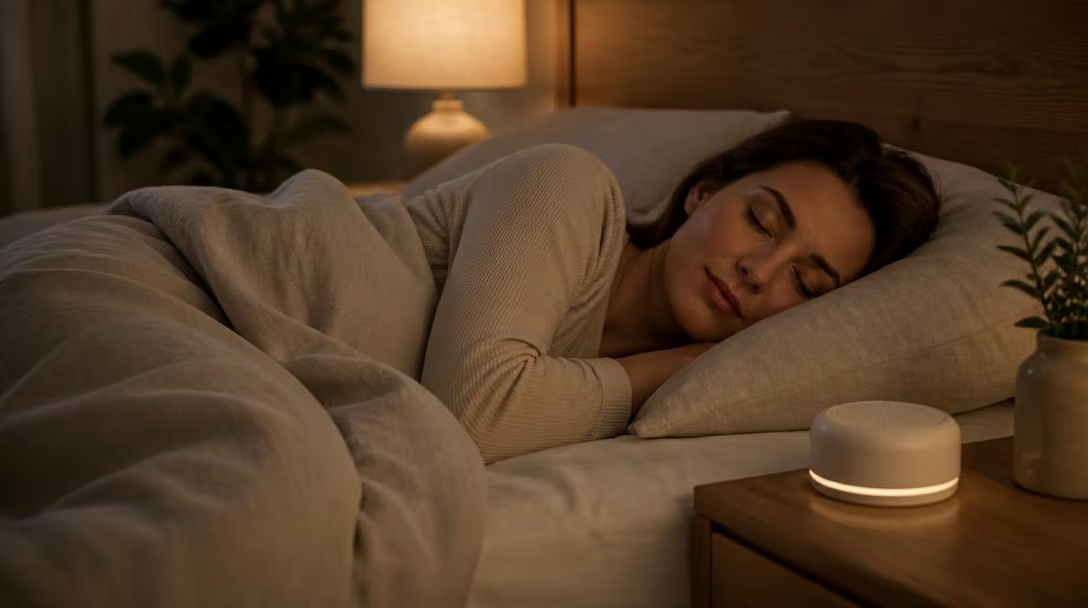
White vs Pink vs Brown Noise: Which Is Best for Sleep?
When I worked rotating shifts, sleeping at 10 a.m. meant fighting lawnmowers, delivery trucks, a neighbor’s dog and the general racket of a world that was wide awake. A box fan running in the corner was my first “sleep sound,” and I didn’t know it had a color. These days you can pick from white, pink, brown and half a rainbow of other noises in any sleep app, and TikTok is convinced brown noise is a miracle cure.
So which one actually helps? The honest answer is less exciting than the hype, but more useful. In this post I’ll explain what white, pink and brown noise really are, what the research does (and doesn’t) show for each, the surprising 2026 study that should make you rethink leaving noise on all night, and how to set up sound so it helps your sleep instead of quietly chipping away at it.
White Noise vs Pink Noise vs Brown Noise: What’s the Difference?
All three are “broadband” noise, meaning they contain a wide spread of frequencies played at once. What changes is how the energy is spread across those frequencies, and that’s what your ear hears as a different “color” or pitch.
- White noise has roughly equal energy at every audible frequency. Because your ears are more sensitive to higher pitches, it comes across as bright and hissy, like radio static, a hair dryer or an air conditioner on high.
- Pink noise turns the volume down as the pitch goes up, dropping about 3 decibels per octave, according to the Sleep Foundation. It sounds softer and more balanced, like steady rain, wind in trees or waves on a beach.
- Brown noise (also called red or Brownian noise, named after the botanist Robert Brown and the random “Brownian” motion he described, not the color) drops off faster, about 6 decibels per octave. The result is a deep, low rumble: a heavy waterfall, distant thunder, or the inside of an airplane cabin.
A simple way to remember it: white is a hiss, pink is a shush, brown is a rumble. Which one sounds “best” is mostly personal, and that matters more than you might think, because a sound you find irritating isn’t going to relax you no matter what the science says.
| Noise color | Sounds like | Best at | Sleep evidence |
|---|---|---|---|
| White | Static, fan, air conditioner | Masking voices and sudden high-pitched sounds | Most studied; overall quality is low |
| Pink | Steady rain, wind, surf | A gentler all-round masker | Lab studies of timed bursts; all-night use may cut REM |
| Brown | Waterfall, thunder, plane cabin | Low rumbles like traffic or a furnace | Barely studied for sleep |
How Noise Helps You Sleep in the First Place
Here’s the part most “which color is best” articles skip. Your brain keeps listening while you sleep. It isn’t the loudness of a sound that wakes you so much as the change: a door slamming, a car alarm, a partner’s snore starting up. Steady background noise raises the floor, so those sudden spikes stand out less. That’s called sound masking, and it’s the main thing any color of noise does for sleep.

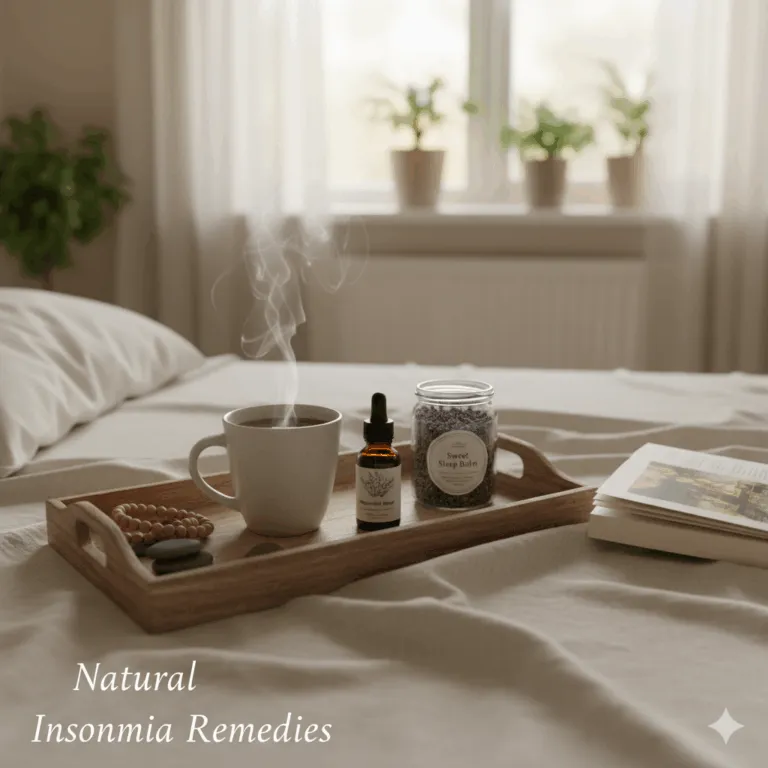
The second effect is psychological. A familiar sound can become a cue that it’s time to sleep, the same way a dark room or a cool pillow does. And for people whose minds race at night, a neutral sound gives the brain something boring to latch onto. If you struggle with that, the wind-down habits in my guide to natural insomnia remedies pair well with a sound machine.
What noise doesn’t do is fix a sleep disorder. If you’re waking up gasping, snoring loudly, or still exhausted after a full night, a sound machine is masking a symptom, not treating it. That’s a conversation for your doctor or a sleep clinic.
White Noise for Sleep: What the Research Says
White noise has by far the most research behind it, and the results are best described as “promising but messy.” The Sleep Foundation’s white noise overview points to studies where people fell asleep faster with white noise, including residents of a noisy New York City neighborhood and critically ill patients in loud hospital units who rated their sleep better with white noise through headphones.
But when researchers at the University of Pennsylvania pulled all the evidence together, the picture got murkier. Their 2021 systematic review in Sleep Medicine Reviews looked at 38 studies of continuous noise as a sleep aid and rated the evidence that it improves sleep as very low quality. Most studies were tiny, relied on people’s own reports, and described the noise they used poorly. At least one found white noise actually made sleep more fragmented.
The authors were careful about the conclusion. The data don’t prove white noise machines work as advertised, but they don’t prove they fail either. Their practical advice: use the lowest volume that works, and put the machine on a timer so it shuts off after you’ve fallen asleep.
Where white noise tends to shine is masking higher-pitched sounds, like voices through a wall, a TV in the next room, or a barking dog. Its bright hiss covers that range well. The downside is that same hiss can feel harsh, and some people find it more annoying than the noise it’s covering.
Pink Noise for Sleep: The “Deep Sleep” Claims, Explained
Pink noise got its reputation from some genuinely interesting lab research. In a 2013 study discussed in the journal Neuron, German researchers played brief pulses of sound to 11 sleeping adults, timed precisely to the slow brain waves of deep sleep. The pulses boosted those slow waves, and the next morning people remembered nearly twice as many newly learned word pairs as they did on a night without sound. A later Northwestern University study found similar effects in older adults.
Here’s the catch that gets lost on social media: those studies didn’t play pink noise all night. They used short bursts, timed to each person’s brain waves by equipment reading their EEG in real time. The Sleep Foundation notes that the full benefits may depend on that precise timing, which isn’t something a phone app or a $30 sound machine can do. When the pulses were timed to the wrong phase of the brain wave, the memory benefit disappeared.
That doesn’t make pink noise useless. It’s a softer, more natural-sounding masker than white noise, and many people simply find it more pleasant. Rain sounds, which are close to pink noise, are the most popular “sleep sound” for a reason. Just don’t expect a looping rain track to supercharge your deep sleep the way those lab studies did.
The 2026 study that changes the advice
In early 2026, a team led by Mathias Basner at Penn Medicine published a lab study in the journal Sleep that should make anyone who runs noise all night pause. According to Penn Medicine’s summary, 25 healthy adults who didn’t normally sleep with noise spent seven nights in a sleep lab. Researchers tested aircraft noise, pink noise at 50 decibels (about the level of moderate rain), the two combined, and aircraft noise with earplugs.
- Pink noise on its own cut REM sleep by about 19 minutes a night.
- Aircraft noise cut deep (N3) sleep by about 23 minutes a night.
- Combining the two shortened both deep and REM sleep and added roughly 15 minutes of time awake.
- Earplugs prevented most of the deep-sleep loss from aircraft noise, and people rated their sleep better with them.
It was a small, short study in people who weren’t used to sleeping with sound, so it doesn’t prove that pink noise harms regular users at home. But REM is the stage tied to memory and emotional processing (I cover why it matters in What Is REM Sleep?), and most REM happens in the second half of the night. That’s exactly when an all-night sound track is still running. The researchers’ own takeaway was that earplugs look like a safer bet for blocking noise, and that more research is needed on noise colors and safe levels.
Brown Noise for Sleep: Why Everyone’s Talking About It
Brown noise had its viral moment on TikTok, with people describing it as the first thing that ever quieted their racing thoughts. The deep rumble feels cocooning in a way that white noise’s hiss doesn’t.
The research, though, is thin. The Sleep Foundation notes that brown noise’s effect on sleep hasn’t been widely studied. There’s no good trial showing it helps you fall asleep faster or sleep deeper than pink or white noise. Its popularity is almost entirely based on personal preference and anecdote.
That said, there’s a practical reason brown noise might work better for some bedrooms. Its energy sits in the low frequencies, which makes it a good match for low-pitched disturbances: highway traffic, a rumbling furnace, a train line, or the bass from a neighbor’s stereo. White noise is weaker in that range, so it can leave those rumbles poking through.
So Which Noise Color Is Best for Sleep?
There’s no single winner, and anyone telling you there is has something to sell. The best noise is the one that covers the sounds actually bothering you, at a volume you barely notice, that you find calming rather than irritating. Here’s how I’d choose:
- Voices, TV or a barking dog? Start with white or pink noise. Their higher frequencies mask speech-range sounds better.
- Traffic, trains, a furnace or bass through the floor? Try brown noise. It matches those low rumbles.
- A snoring partner? Pink or brown noise can soften it, but earplugs often work better. And if the snoring is loud with pauses or gasps, nudge them toward my guide on how to stop snoring, since that pattern can point to sleep apnea.
- A quiet room and a busy mind? Use whichever color you like best, at low volume, on a timer. The goal is a cue to relax, not sound masking.
How to Use Sleep Noise Safely
Whatever color you pick, how you use it matters more than the color itself. These are the habits I’d follow based on what the research and sleep experts recommend.

Keep the volume low
There’s no official volume guideline for sleep sounds, but the Sleep Foundation suggests keeping it around the level of a quiet background conversation, and points to roughly 60 decibels as a reasonable upper limit for pink noise. Long-term exposure to sounds around 70 decibels and up (city traffic level) can damage hearing over time. Place a machine across the room rather than right beside your head. A free decibel meter app can give you a rough reading from your pillow.
Use a timer instead of running it all night
This is the single biggest change I’d make after the 2026 Penn study. Set your app or machine to turn off 30 to 60 minutes after bedtime. You get the help falling asleep without the noise running through the REM-heavy early-morning hours. If you rely on noise to block early-morning sounds, like garbage trucks or a partner’s alarm, consider a fade-in timer for that window instead, or try earplugs.
Choose a continuous track
Pick a track or machine that loops seamlessly. Tracks with an audible gap, a sudden change, or birdsong and thunderclaps mixed in can create exactly the kind of sound spikes you’re trying to hide. A plain, steady noise is better for sleep than a “nature soundscape” with surprises in it.
Be careful with headphones
Earbuds put the sound right in your ear canal, which makes it easy to run the volume higher than you realize, and they can be uncomfortable for side sleepers. If you prefer sound close to your ears, a soft Bluetooth sleep headband is more comfortable, but keep the volume low.
Don’t mask what you need to hear
Make sure you can still hear a smoke alarm, a carbon monoxide alarm, or a child calling from another room. Test it once with your noise running at its usual level.
Try earplugs as well
Earplugs don’t add sound to your night, they take it away. In the Penn study they protected sleep better than pink noise did. Some people do best with earplugs alone; others like low noise for falling asleep and earplugs for the rest of the night. If you want a full checklist of bedroom fixes beyond sound, like light, temperature and timing, grab my free sleep checklist.
When Noise Isn’t the Real Problem
A sound machine is a reasonable tool for a noisy bedroom. It’s not a fix for poor sleep that has a medical cause. See a doctor or a sleep clinic if:
- You’ve had trouble falling or staying asleep at least three nights a week for several months.
- You (or your partner) notice loud snoring, gasping or pauses in breathing.
- You feel exhausted or doze off during the day even after a full night in bed.
- You hear ringing or buzzing in your ears that keeps you awake. Tinnitus has its own treatments, and an audiologist or doctor can help.
- You need louder and louder noise to fall asleep.
Chronic insomnia in particular responds well to cognitive behavioral therapy for insomnia (CBT-I), which is the first-line treatment sleep specialists recommend. No color of noise competes with that.
Frequently Asked Questions
Is brown noise better than white noise for sleep?
Not according to any solid research, because brown noise has barely been studied for sleep. Many people prefer its deeper sound, and it masks low rumbles like traffic better than white noise does. White noise covers higher-pitched sounds like voices better. Pick based on what’s keeping you awake and what you find calming.
Is it bad to sleep with white noise every night?
For most adults, low-volume noise is unlikely to cause harm, but the evidence that it helps is weak and a 2026 lab study found all-night pink noise reduced REM sleep. The safest approach is to keep the volume low, keep the machine away from your head, and use a timer so it turns off after you fall asleep.
How loud should sleep noise be?
Quieter than you think. Aim for about the level of soft background conversation, and stay under roughly 60 decibels at your pillow. If you have to raise your voice to talk over it, it’s too loud.
Does pink noise improve deep sleep?
In the lab, short bursts of sound timed precisely to deep-sleep brain waves boosted slow-wave activity and next-day memory. Continuous pink noise from an app hasn’t been shown to do the same, and played all night it may cut into REM sleep.
The Bottom Line
White, pink and brown noise all do the same basic job: they smooth out the sudden sounds that wake you. White noise is best for higher-pitched noise, brown noise for low rumbles, and pink noise sits pleasantly in between. The science doesn’t crown a winner, so choose the one you like, keep it quiet, and put it on a timer. And if noise keeps waking you no matter what you play, try earplugs, because sometimes the best sound for sleep is no sound at all.