Best Herbal Teas for Sleep, From Chamomile to Valerian
For years my “bedtime drink” was whatever kept me upright through the back half of a rotating shift, followed by whatever I hoped would knock me out once I got home. Neither worked. What eventually did help was boring: a cup of chamomile, a dim kitchen, and the same wind-down every night. So when people ask me about herbal tea for sleep, I get it. It’s cheap, it’s gentle, and it feels like something you can actually do tonight.
But here’s the honest part. Most sleep teas have thin evidence behind them. A few have small, decent studies. Some of the claims you’ll see on tea boxes and in roundups go well past what the research shows. This guide goes through the teas people reach for most often, from chamomile to valerian, and sorts what the studies found from what’s just tradition. I’ll also cover who should skip certain herbs, how to brew them so they have a fair shot, and when a tea isn’t the right tool at all.
Does Herbal Tea Actually Help You Sleep?
Short answer: a little, for some people, and mostly for how well you feel you slept rather than big measurable changes on a sleep test.
Most trials on sleep teas are small, short (one to four weeks), and rely on questionnaires. Many test concentrated extracts or capsules rather than an actual cup of tea, so the dose in your mug may be far lower than what was studied. The Sleep Foundation’s tea guide makes the same point: some of the more impressive results for passionflower and lemon balm came from capsules or extracts, which pack more than a cup of tea does.
That doesn’t make tea useless. A warm, caffeine-free drink is a good anchor for a bedtime routine, and a routine is one of the most reliable things you can build for sleep. Just don’t expect a tea to fix chronic insomnia, sleep apnea or a body clock that’s out of sync. Those need different tools, which I’ll get to.
The Best Herbal Teas for Sleep at a Glance
Here’s the quick version before we dig into each one.
| Tea | Evidence for sleep | Best for | Watch out for |
|---|---|---|---|
| Chamomile | Modest; best-studied of the group | Sleep quality, night wakings | Ragweed allergy, warfarin |
| Valerian | Mixed; AASM advises against it for chronic insomnia | Short-term, occasional use | Sedatives, alcohol, pregnancy |
| Passionflower | One small tea trial | Mild, occasional poor nights | Sedatives, pregnancy |
| Lavender | Limited; effects faded within weeks | Winding down, flavor blend | Strong floral taste |
| Lemon balm | Mostly extract studies, not tea | Restless, wound-up evenings | Sedatives, other meds |
| Rooibos | No sleep trials | Caffeine-free swap for black tea | Nothing notable for most people |
Chamomile Tea for Sleep: The One With the Most Research
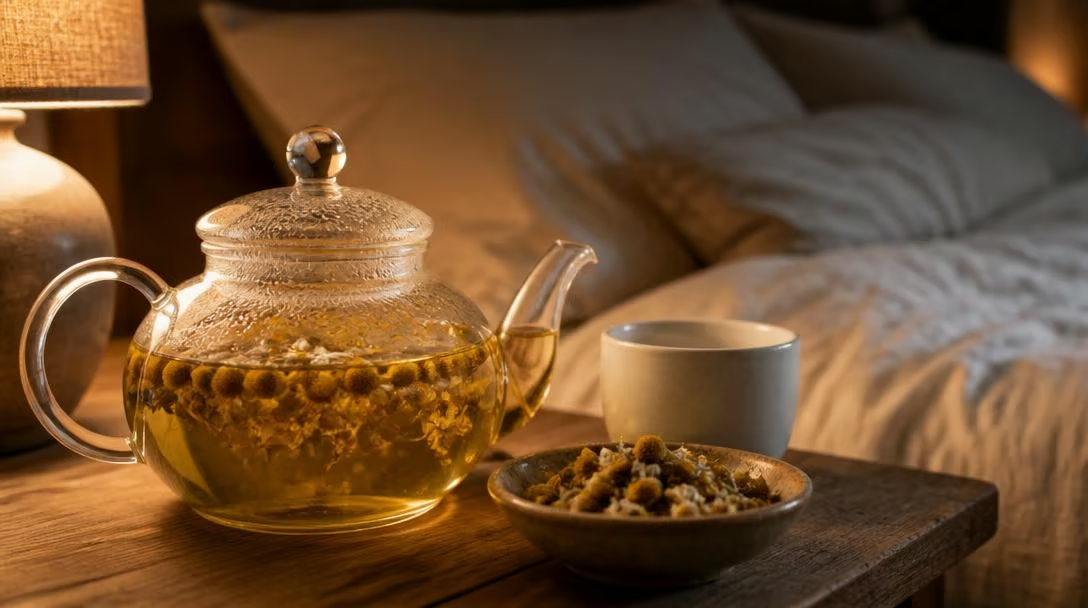
Chamomile is the classic bedtime tea, and it’s the one I still drink most nights, about 30 to 45 minutes before bed. It contains apigenin, a plant compound that’s thought to have a mild calming effect. The research is still limited, but it’s better than for most of the others.
The clearest picture comes from a 2024 systematic review and meta-analysis in Complementary Therapies in Medicine. It pulled together 10 clinical trials with 772 adults. Chamomile improved scores on the Pittsburgh Sleep Quality Index, and it seemed to help most with waking up during the night and staying asleep. What it didn’t do: it didn’t lengthen total sleep, didn’t improve sleep efficiency, and didn’t change daytime fatigue. The authors also noted that almost none of the trials checked the purity or strength of the chamomile they used.
An earlier 2019 meta-analysis in Phytotherapy Research found the same general pattern: better sleep quality, but only one trial that looked at actual insomnia, and that one found no meaningful change in insomnia severity. The National Center for Complementary and Integrative Health (NCCIH) sums it up bluntly: there’s very little information on chamomile’s effect on insomnia.
One trial is worth mentioning because it used actual tea. In a 2016 randomized trial in the Journal of Advanced Nursing, 80 postpartum women with poor sleep either drank chamomile tea for two weeks or got usual care. The tea group had fewer sleep problems tied to physical symptoms and fewer depressive symptoms after two weeks. But by four weeks after the study, the two groups looked the same. The benefit didn’t stick once the tea stopped.
That matches my own experience. The first few nights I noticed nothing. After a week or two of drinking it every night, falling asleep felt easier. I can’t tell you how much of that was the chamomile and how much was the routine around it, and honestly, I don’t think it matters much. Both helped.
Who should be careful with chamomile
NCCIH says chamomile is likely safe in the amounts found in tea. A few groups should still check first:
- People with plant allergies. Reactions are more likely if you’re allergic to ragweed, chrysanthemums, marigolds or daisies.
- Anyone on warfarin or other prescription drugs. Interactions with warfarin and some drugs processed by the liver have been reported.
- People on birth control or with estrogen-sensitive conditions. Chamomile may act a little like estrogen, and early research suggests it might affect birth control pills.
- Pregnant or breastfeeding women. Its safety here isn’t well established.
If any of those apply to you, check with your doctor or pharmacist before making it a nightly habit.
Valerian Root Tea: Popular, but the Evidence Is Messy
Valerian is the herb most often sold as a “natural sleep aid,” and it shows up in a lot of bedtime blends. The research is all over the place.
A 2006 meta-analysis in The American Journal of Medicine looked at 16 trials with 1,093 people. Six of them reported whether sleep quality improved or not, and valerian users were more likely to say it had. But the authors flagged serious problems: most studies had design flaws, doses and preparations varied wildly, and there were signs of publication bias (positive results getting published, negative ones not). A 2020 review in the Journal of Evidence-Based Integrative Medicine suggested the inconsistent results may come down to how variable valerian products are.
Here’s the part that matters most if you’ve been struggling for months. According to NCCIH’s valerian fact sheet, the American Academy of Sleep Medicine’s 2017 clinical guideline recommended against using valerian for chronic insomnia in adults. That’s not a ban. It just means the evidence wasn’t good enough for sleep doctors to recommend it.
Valerian safety
NCCIH describes short-term valerian use as fairly safe for most adults. Studies have used 300 to 600 mg a day of extract for up to six weeks, but long-term safety is unknown, and a cup of tea won’t contain a predictable amount. Reported side effects include headache, upset stomach and vivid dreams. Some people get withdrawal-type anxiety or insomnia after stopping long-term use. Very rare cases of liver injury have been reported, usually when valerian was combined with other herbs.
Don’t mix valerian with alcohol, sleeping pills or other sedatives. Skip it if you’re pregnant or breastfeeding, and check with your doctor or pharmacist if you take any medications. One practical note: valerian smells and tastes earthy (some say like old socks). A little honey helps.
Passionflower Tea: One Small but Real Tea Study
Passionflower doesn’t get as much attention, but it has something most sleep teas don’t: a placebo-controlled trial that used actual tea.
In a 2011 double-blind study in Phytotherapy Research, 41 healthy adults aged 18 to 35 drank either passionflower tea or a placebo tea every night for a week, then switched. Out of six sleep-diary measures, only one improved: people rated their sleep quality better on passionflower. The researchers described it as a short-term, subjective benefit for healthy adults with mild ups and downs in their sleep.
That’s a modest result in a small group of young, healthy people. It’s encouraging if you have the occasional restless night. It tells you nothing about insomnia. Passionflower can add to the effects of sedatives, and its safety in pregnancy isn’t established, so the same “check first” rules apply.
Lavender and Lemon Balm: Nice Additions, Weak Evidence
Lavender is mostly studied as a scent, not a drink. The Sleep Foundation notes that in one study of lavender tea, drinkers reported less fatigue at first, but after four weeks there was no significant difference from the control group. That’s the same short-lived pattern as the chamomile trial. I use lavender as a flavor more than a remedy. On its own it tastes a bit like perfume to me, so I mix a pinch into chamomile.
Lemon balm is a mint-family herb with a light citrus taste. It’s often paired with valerian in blends. The studies behind its calming reputation mostly used concentrated extracts in capsule form, not tea, so a cup in the evening is closer to a pleasant ritual than a proven treatment. If you take sedatives or other regular medications, ask a pharmacist before using it every night.
Caffeine-Free Swaps: Rooibos and Other Simple Options
Sometimes the best “sleep tea” is just the one that replaces a caffeinated one. If your evening habit is black tea, green tea or a chai, switching to a genuinely caffeine-free herbal option may help more than any herb’s special properties. Rooibos, peppermint and plain ginger are all naturally caffeine-free and easy to find.
Two catches. First, “decaf” black or green tea still has a small amount of caffeine. Second, some “sleep” or “relax” blends include green tea or yerba mate for flavor. Read the ingredient list, not just the front of the box.
How to Make Herbal Tea Part of a Wind-Down Routine
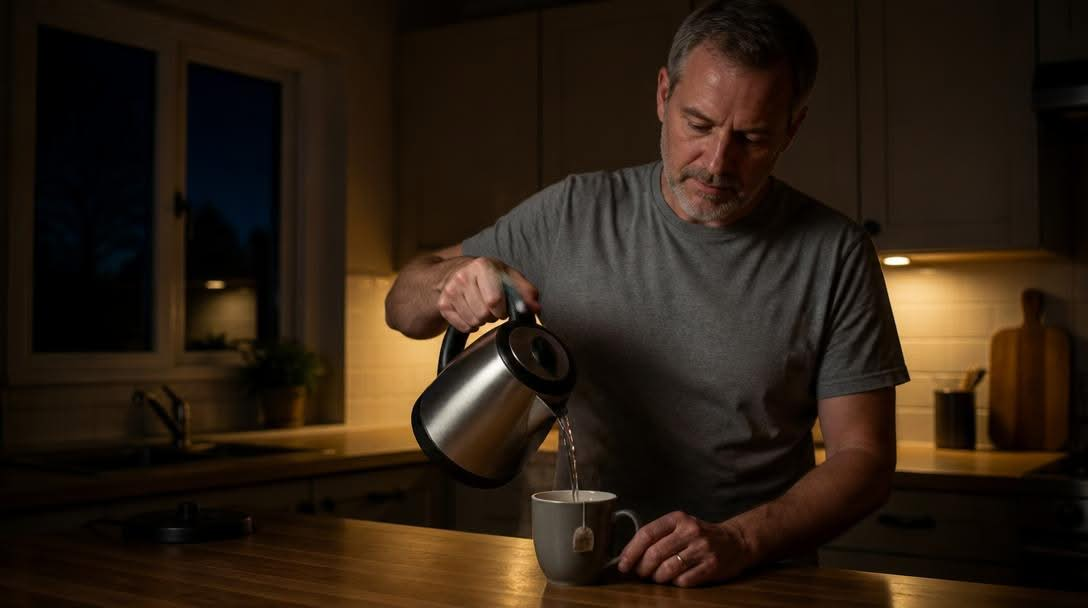
When I was working rotating shifts, my “bedtime” moved every week. The tea didn’t fix that, but it gave my brain a consistent signal that the day was over, whatever time that happened to be. Here’s how I’d set it up:
- Brew it properly. Use a lid and let it steep for at least five minutes, longer for chamomile. Covering the cup is an old herbalist habit that keeps the aroma in. Loose flowers or good-quality bags both work.
- Time it so you’re not up to pee. I drink mine 30 to 45 minutes before bed. If you’re already waking up to use the bathroom, have it earlier or make the cup smaller.
- Dim the lights while you drink it. Bright overhead light in the evening works against your body clock. A lamp and a quiet corner turn a cup of tea into an actual wind-down.
- Put the phone down. Sipping tea while scrolling defeats the point. Read something on paper, stretch, or just sit.
- Give it two weeks. In the trials, changes showed up after a week or two of nightly use, not on night one.
- Keep the sweetener light. A little honey is fine. A big sugary drink right before bed isn’t doing your sleep any favors.
Tea also pairs well with other low-risk habits. I’ve written about natural insomnia remedies that stack nicely with a bedtime cup, and if you’re curious about another evening drink with some research behind it, see my deep dive on tart cherry juice for sleep. If you want the whole routine on one page, grab my Free Sleep Checklist.
Herbal Tea vs Sleep Supplements
It’s tempting to think that if a tea helps a little, a capsule of the same herb will help a lot. Sometimes the studies do use stronger doses, but stronger also means more chance of side effects and interactions, and supplements aren’t held to the same standards as medicines. Product quality varies, which is one reason the valerian research is such a mess.
If you’re thinking about moving from tea to supplements (valerian capsules, magnesium, melatonin), talk to your doctor or pharmacist first, especially if you take any prescription medications or have a health condition. I’ve covered magnesium for sleep separately, with the sourced dose ranges.
When Tea Isn’t Enough: Signs You Should See a Doctor
A cup of tea is fine for an occasional bad night. It’s the wrong tool if the problem is bigger. See your doctor or a sleep clinic if:
- You’ve had trouble falling or staying asleep at least three nights a week for several months.
- You snore loudly, gasp or stop breathing during sleep, or wake up with headaches. These can be signs of sleep apnea.
- You’re very sleepy during the day, even after what should be enough sleep.
- Your sleep problems come with low mood, anxiety or worry that won’t switch off.
- You’re relying on herbs, alcohol or over-the-counter sleep aids most nights just to get to sleep.
For chronic insomnia, cognitive behavioral therapy for insomnia (CBT-I) is the first-line treatment that sleep specialists recommend, and it tends to work better long-term than any pill or tea. You can read more about the different sleep disorders and how they’re treated.
Frequently Asked Questions
What is the best herbal tea for sleep?
Chamomile has the most research behind it, with reviews showing modest improvements in self-reported sleep quality and night-time waking. It’s also mild and widely available, which makes it a sensible first choice for most adults without plant allergies or medication concerns.
How long before bed should I drink chamomile tea?
There’s no official timing from the research. I drink mine 30 to 45 minutes before bed so it’s part of my wind-down without sending me to the bathroom at 3 AM. If night-time bathroom trips are a problem, drink it earlier.
Is it safe to drink sleep tea every night?
For most healthy adults, chamomile in tea amounts is considered likely safe. Valerian’s long-term safety is unknown, so it’s better kept for short stretches. If you take medications, are pregnant or breastfeeding, or have a health condition, ask your doctor or pharmacist before making any herbal tea a nightly habit.
Can I mix valerian tea with sleeping pills or alcohol?
No. NCCIH advises against combining valerian with alcohol or sedatives because the effects can add up. The same caution applies to other calming herbs like passionflower.
Does herbal tea help with insomnia?
The evidence for diagnosed insomnia is weak. Chamomile didn’t change insomnia severity in the one trial that measured it, and sleep doctors advise against valerian for chronic insomnia. Tea can support a good routine, but CBT-I is the proven treatment.
Does decaf tea count as caffeine-free?
Not quite. Decaf black and green teas still contain a small amount of caffeine. Herbal teas like chamomile, rooibos and peppermint are naturally caffeine-free, as long as the blend doesn’t include real tea leaves.
The Bottom Line
Herbal tea for sleep isn’t magic, and anyone who tells you a cup of valerian will cure your insomnia is selling something. But a warm, caffeine-free drink, sipped slowly in dim light at the same time each night, is one of the easiest habits you can build. Chamomile is the best-supported place to start. Passionflower has one small tea study in its favor. Valerian is popular but messy, and it’s best kept to short-term use with your doctor’s okay. And if your nights have been rough for months, skip the tea aisle and book an appointment. That’s the step that actually changed things for me.
Sources
- Kazemi A, et al. Effects of chamomile on sleep: a systematic review and meta-analysis of clinical trials. Complementary Therapies in Medicine, 2024.
- Hieu TH, et al. Therapeutic efficacy and safety of chamomile for anxiety, insomnia and sleep quality: a systematic review and meta-analysis. Phytotherapy Research, 2019.
- Chang SM, Chen CH. Effects of drinking chamomile tea on sleep quality and depression in sleep-disturbed postnatal women: a randomized controlled trial. Journal of Advanced Nursing, 2016.
- Bent S, et al. Valerian for sleep: a systematic review and meta-analysis. The American Journal of Medicine, 2006.
- Ngan A, Conduit R. A double-blind, placebo-controlled investigation of passionflower herbal tea on subjective sleep quality. Phytotherapy Research, 2011.
- NCCIH (NIH). Chamomile: Usefulness and Safety and Valerian: Usefulness and Safety.
- Sleep Foundation. Best Tea for Sleep.