CPAP Pillows: Do You Need One? What the Research Says
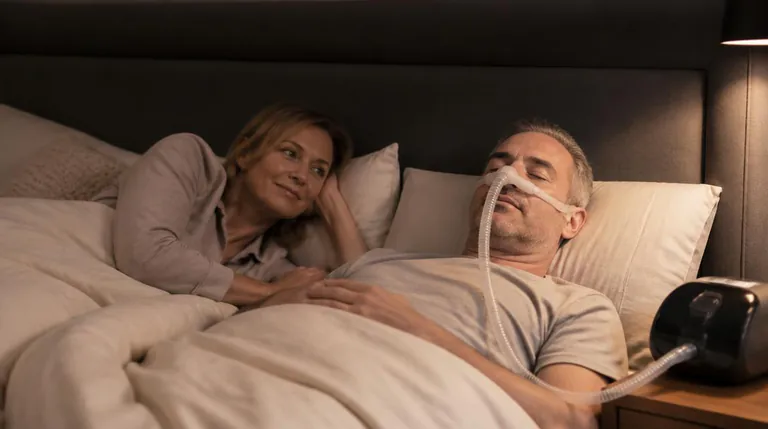
The first few weeks with my CPAP, I’d wake up at 3 AM with air hissing out the side of my mask and a red line pressed into my cheek. I went through three different mask styles before I found one that worked. What I didn’t think much about back then was the thing my face was mashed into all night: my pillow.
That’s where CPAP pillows come in. They’re pillows shaped with cutouts or curves so your mask has somewhere to go when you roll onto your side. So do you actually need one? The honest answer is “maybe, but probably not as much as the marketing says.” This guide covers what a CPAP pillow does, what the (small) research shows, who’s most likely to benefit, what to look for, and a handful of picks based on published specs and owner reviews.
Affiliate disclosure: some links in this post are Amazon affiliate links. If you buy through them, Deep Sleep Mastery may earn a small commission at no extra cost to you. I haven’t personally tested the pillows below; the picks are based on published specs, materials and owner reviews.
What Is a CPAP Pillow?
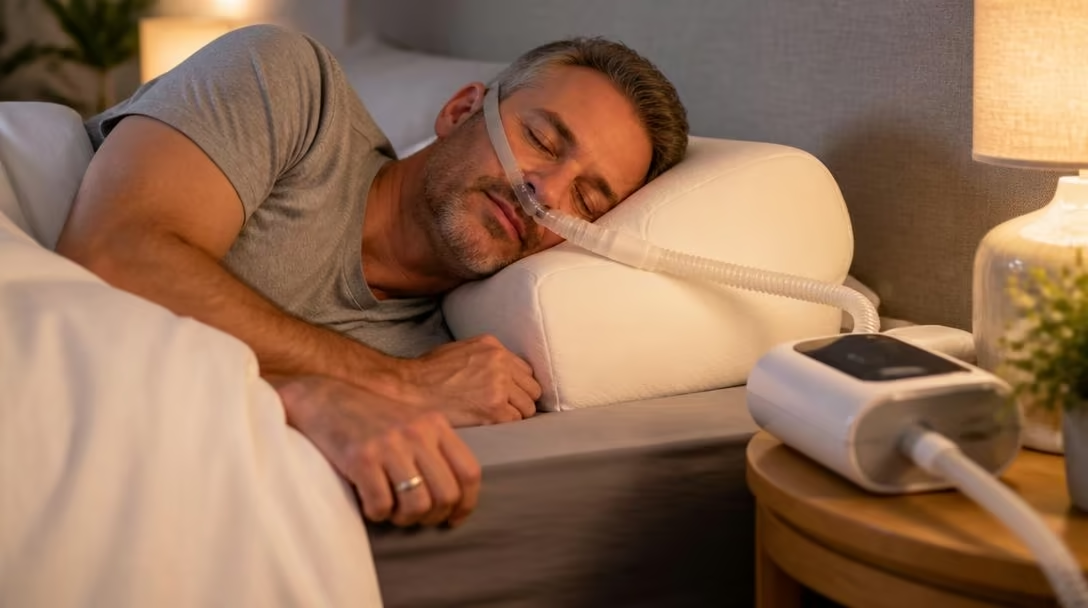
A CPAP pillow is a regular bed pillow with a modified shape. Most have a cutout or scooped-out curve on one or both sides. When you lie on your side, the mask sits in that gap instead of being shoved into your face by the pillow. Some also have a dip in the middle for back sleeping, a strap or tether to hold the hose, or removable foam layers so you can change the height.
Don’t confuse it with a nasal pillow mask. That’s a type of CPAP mask with two soft cushions that sit at the nostrils (it’s what I use). A CPAP pillow is just the thing your head rests on. The names are confusing, and plenty of people search for one when they mean the other (Sleep Foundation).
The basic idea makes sense. A CPAP only works if the air goes into your airway instead of out the sides of the mask. When a regular pillow pushes against the mask, it can break the seal, shift the cushion, or tug on the hose. A shaped pillow tries to take that pressure off.
Do CPAP Pillows Actually Work? What the Research Says
Here’s the brutal truth: there’s very little research on CPAP pillows, and the best study I could find didn’t show a big effect on the therapy itself.
In a 2016 study in the Jornal Brasileiro de Pneumologia, researchers in Palermo, Italy, gave 23 people with at least moderate sleep apnea who were new to CPAP three pillows to try: their own pillow, a memory foam pillow with side cutouts and a gel pillow with side cutouts, five nights each (Salvaggio et al., 2016). Twenty-two finished. Here’s what the CPAP machines recorded:
| Measure | Own pillow | Foam CPAP pillow | Gel CPAP pillow |
|---|---|---|---|
| Leftover AHI (events/hour) | 3.7 | 2.7 | 2.7 |
| Air leak (L/min) | 10.4 | 11.1 | 10.8 |
| Average use (min/night) | 395 | 373 | 386 |
| Higher satisfaction? | Baseline | No | Yes |
None of the differences in leftover events, pressure, leak or nightly use were statistically significant. The one clear result was that people liked the gel pillow more than both their own pillow and the foam one. The authors concluded the pillow didn’t change how well CPAP worked, but patients seemed to prefer it.
A few things to keep in mind about that study:
- It was small and short: 22 people, five nights per pillow.
- All but one person used a nasal-style mask. The single person on a full-face (oronasal) mask had far less leak on both CPAP pillows (21.6 L/min on their own pillow vs 7.2 and 6.0), but one person proves nothing.
- It was partly funded by the company that made the test pillows.
So the evidence says CPAP pillows aren’t magic. They don’t seem to improve the numbers for the average new user. But comfort matters more than people think. If you hate wearing your mask, you won’t wear it, and a CPAP that sits in the closet treats nothing. That’s the real case for a better pillow.
Who Actually Benefits From a CPAP Pillow?
The Sleep Foundation’s own guide is upfront that a CPAP pillow isn’t required (Sleep Foundation). Where it tends to help is when your pillow is part of the problem. You’re a good candidate if any of these sound familiar:
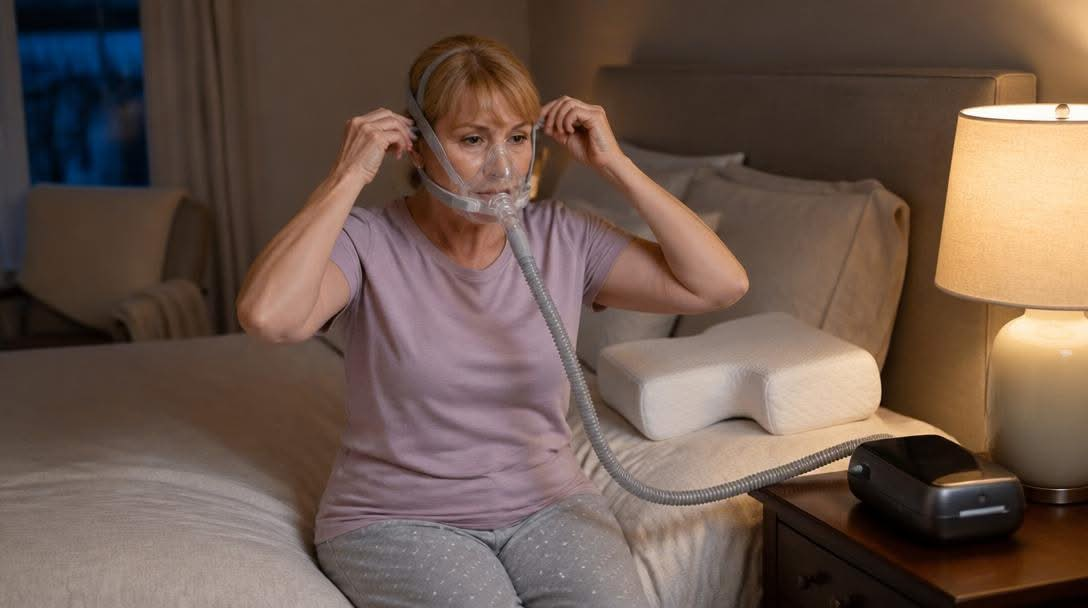
- You’re a side sleeper and your mask leaks when you roll over. This is the big one. Side sleepers press one side of the mask straight into the pillow.
- You wake up with red marks or sore spots on the side of your face, nose bridge or cheek.
- Your mask gets knocked off or shifted at night. Mayo Clinic lists “removing the mask during the night” as one of the 10 most common CPAP problems (Mayo Clinic).
- The hose keeps tugging on the mask when you turn.
- You use a full-face mask. Bigger masks have more surface for a pillow to push against.
- You sleep on your stomach. Sleep Foundation notes that stomach sleeping can push the mask out of place and cause leaks and dry mouth (Sleep Foundation).
On the other hand, you probably don’t need one if you sleep on your back all night, your leak numbers look fine in your CPAP app, and you wake up without marks. Save your money.
Why side sleepers feel this the most
Lots of people with obstructive sleep apnea are told to sleep on their side, and for good reason. In one study of 120 people with sleep apnea, 55.8% had position-dependent apnea, meaning their breathing events on their back were at least double those in other positions (Richard et al., 2006). Sleep Foundation also notes that back sleeping is generally the worst position for apnea, because gravity pulls the tongue and soft tissue back toward the airway (Sleep Foundation).
I learned that lesson early. Before I went on CPAP, I tried the old trick of taping a tennis ball to the back of my pajamas to stop myself rolling onto my back. It sort of worked, but I still needed CPAP. The catch is that once you’re on CPAP and a side sleeper, your mask now has to survive being pressed into a pillow for hours. That’s exactly the gap CPAP pillows are designed for.
Try These Free Fixes Before You Buy Anything
Before you spend $50 or more on a new pillow, rule out the cheaper causes of leaks and discomfort. New pillows also take a week or two to feel normal, so it pays to fix the basics first.
- Check the mask fit. Mayo Clinic says a properly fitting mask “shouldn’t be uncomfortable, cause pain or have any sounds of leaking air,” and that you should contact your care team or supplier if the fit seems wrong (Mayo Clinic). Sizes vary by brand, so a medium in one mask isn’t a medium in another.
- Don’t over-tighten the straps. Cranking the headgear down usually makes leaks and pressure sores worse, not better. Adjust the pads and straps for a snug, not crushing, fit.
- Replace worn cushions. Old, stiff or cracked cushions lose their seal. Mayo suggests having your care team check the fit every year, and getting a new size or style if your weight has changed a lot.
- Consider a different mask style. Nasal pillow and nasal cradle masks have a smaller footprint, so there’s less for a pillow to bump. If you move a lot in your sleep, Mayo notes a full-face mask may stay on better. This is a conversation for your sleep clinic or supplier.
- Manage the hose. Run the tubing up over the headboard or under the blanket so it isn’t dragging the mask sideways when you turn.
- Try what you already own. Folding a regular pillow so the mask hangs off the edge, or using a softer down or shredded-foam pillow you can punch into shape, gets some people most of the way there.
If you’ve done all that and you’re still fighting your pillow every night, a CPAP pillow is a reasonable next step. If your mask is leaking badly, you’re waking up tired again, or your partner says the snoring is back, talk to your sleep doctor before buying gear. Those can be signs your settings or mask need to change. I went over this in more detail in my post on snoring with a CPAP.
What to Look For in a CPAP Pillow
If you decide to buy one, these are the features that matter most.

Cutouts that match your mask and position
Side cutouts are the main point of a CPAP pillow. Look for cutouts on both sides if you switch sides during the night. Full-face mask users need deeper, wider cutouts than nasal pillow users.
The right height (loft)
Your pillow still has to do a pillow’s job: keep your head and neck in line with your spine. Side sleepers generally need more loft than back or stomach sleepers to fill the gap between the shoulder and the head (Sleep Foundation). If your neck already complains, see my guide to the best pillows for side sleepers for more on matching loft to your shoulder width.
Adjustability
Since it’s hard to know your ideal height in advance, adjustable pillows are the safer bet. Some have removable foam layers; others use shredded foam you can add or take out.
Hose management
A tether or tube holder keeps the hose from pulling on the mask. It’s a small detail that matters a lot if you turn often.
Fill and temperature
Memory foam holds its shape and keeps cutouts in place, but it can sleep warm. Gel layers, ventilated foam or mesh panels help if you run hot. Down-alternative fill is softer and lighter but doesn’t hold a cutout shape as firmly.
A washable cover
You’re putting your face against this pillow with a humid mask every night. A removable, machine-washable cover is worth having.
CPAP Pillow Picks Based on Specs and Reviews
These four come from the Sleep Foundation’s current CPAP pillow roundup (updated June 2026), plus the overall pattern of owner reviews. Prices are approximate US list prices from that roundup and change often. I haven’t slept on these myself, so treat this as a shortlist, not a lab test.
| Pillow | Fill | Adjustable? | Best for |
|---|---|---|---|
| Snugell CPAP Pillow | Memory foam | Yes (4 heights) | Side sleepers |
| Contour CPAPmax 2.0 | Memory foam + fiber | Yes (removable layers) | Neck support, hose control |
| Borden Textile CPAP Pillow | Polyester fill | No | Budget, softer feel |
| Core Products Mini CPAP Pillow | Down alternative | No | Travel |
Snugell CPAP Pillow: best for side sleepers
The Snugell CPAP Pillow is a memory foam pillow with corner cutouts and four removable foam “leaves,” so you can set it to four different heights. Sleep Foundation picked it as its best option for side sleepers and lists it at around $50 (Sleep Foundation). The adjustable height is the main draw, since side sleepers vary so much in shoulder width.
Contour CPAPmax 2.0: best for neck support and hose control
The Contour CPAPmax 2.0 CPAP Pillow is one of the best-known CPAP pillows. It combines memory foam and fiber fill over a polyfoam base, has layers you can remove to lower the height, mesh side panels for airflow, a removable washable cover and a built-in tether for the hose. It’s rated medium-firm and listed at around $60.
Borden Textile CPAP Pillow: a softer, simpler option
The Borden Textile CPAP Pillow is a medium-feel polyester-fill pillow with cutouts on each side and a cotton cover, and it comes with a pillowcase. It was Sleep Foundation’s overall pick at around $50. It isn’t adjustable, so it suits people who already know a standard-height pillow works for them.
Core Products Mini CPAP Pillow: best for travel
The Core Products Mini CPAP Pillow is a small, lightweight crescent-shaped pillow with down-alternative fill. It’s meant to slip into a bag so you aren’t stuck with a hotel pillow pressing into your mask. The cotton cover isn’t removable, which is a downside for something you’ll use with a mask. Listed at around $70.
Whatever you choose, check the return policy first. Pillows are personal, and the only real test is a couple of weeks of sleeping on it with your own mask.
How to Get Used to a New CPAP Pillow
- Watch your machine data. Most CPAP apps show leak and mask-seal info. Compare a week on your old pillow to a week on the new one. That’s your own mini-study.
- Experiment with height first. If it’s adjustable, start in the middle and change one layer at a time.
- Keep everything clean. Wash the pillow cover regularly, and wash your mask and face daily, as Mayo Clinic recommends to prevent skin irritation.
If you want a simple way to keep track of the habits that make CPAP nights easier, my Free Sleep Checklist covers the basics in one page.
When a Pillow Isn’t the Answer
A pillow is a comfort tool, not a treatment. See your sleep doctor or sleep clinic if:
- Your mask still leaks a lot after you’ve tried a different size or style.
- You’re waking up exhausted, gasping, or with morning headaches again.
- Your partner says the snoring is back.
- You’re pulling the mask off in your sleep most nights.
Don’t change your CPAP pressure settings yourself. Your care team can review your machine data and adjust things safely. If you haven’t been diagnosed yet but you snore and feel wiped out every day, start with my overview of what sleep apnea is and talk to your doctor about testing.
Frequently Asked Questions
Do I need a special pillow for CPAP?
No. Plenty of people use CPAP with an ordinary pillow. A CPAP pillow is most likely to help if you sleep on your side or stomach and your mask leaks, shifts or leaves marks because of your pillow.
Do CPAP pillows reduce mask leaks?
For the average user, the evidence is thin. In a small 2016 study, pillows with side cutouts didn’t significantly change air leak, leftover apnea events or nightly use compared with people’s own pillows, though participants preferred the gel version. They may help more for people whose pillow is clearly pushing on the mask.
What’s the best CPAP pillow for side sleepers?
Look for cutouts on both sides and an adjustable height so the pillow fills the space between your shoulder and head. Adjustable memory foam designs like the Snugell are a common choice for side sleepers.
Can I use a CPAP pillow with a full-face mask?
Yes, and full-face mask users may get the most out of one, since bigger masks are easier for a regular pillow to push out of place. Look for deeper cutouts.
The Bottom Line
A CPAP pillow isn’t a must-have, and the little research we have says it won’t change your therapy numbers on its own. But if you’re a side sleeper whose mask keeps leaking or digging into your face, a pillow with cutouts and the right height can make CPAP nights a lot more bearable. Fix the mask fit first, try the free tweaks, and if you still need one, pick an adjustable model with a good return policy. The best CPAP setup is the one you’ll actually wear every night.
Sources
- Salvaggio A, et al. Gel pillow designed specifically for obstructive sleep apnea treatment with continuous positive airway pressure. J Bras Pneumol. 2016;42(5):362-366.
- Sleep Foundation: Best CPAP Pillows (updated June 2026)
- Sleep Foundation: Best Sleeping Position for Sleep Apnea (medically reviewed)
- Mayo Clinic: CPAP machines: Tips for avoiding 10 common problems
- Richard W, et al. The role of sleep position in obstructive sleep apnea syndrome. Eur Arch Otorhinolaryngol. 2006;263(10):946-950.